How to Use a Baby Carrier with Hip Seat Effectively

You know what nobody warns you about? The ache. Not the sleep deprivation, everyone talks about that. I mean the deep, bone-tired throb in your lower back after carrying your little one for what feels like the thousandth hour. Your arms start screaming somewhere around the grocery store’s dairy aisle. And your shoulders? Forget it. Sound familiar?
Here’s the thing. Parenting is already a full-contact sport. You don’t need your baby gear, making it harder. That’s why so many parents are turning to something that actually feels like a tiny miracle: the baby carrier with a hip seat.
Let me explain what makes this different from the pile of wraps and slings gathering dust in your closet.
The Real Struggle No One Talks About
We’ve all been there. You’re carrying your baby on one hip because they refuse to be put down. Your other hand is somehow holding a coffee, a diaper bag, and your sanity. Then someone asks for directions. Honestly, traditional carriers aren't always the answer either. Some feel like you’re wearing a straitjacket. Others require a degree in origami just to put on. And don’t get me started on how hot they get in summer.
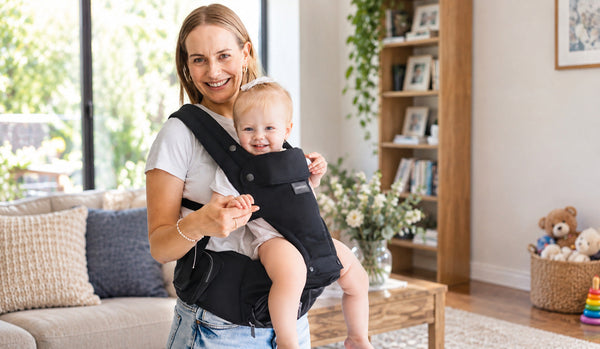
But a baby hip seat carrier works differently. It’s not just a strip of fabric. It’s got this little padded shelf, almost like a second pair of hands. The baby sits on it, not dangling from your shoulders. Game changer, right?
So, What Makes This One Different?
Let’s break it down without the boring jargon. A baby carrier with a hip seat combines two things: a supportive waistband with a padded seat, and usually some straps for security. The baby perches on the seat. Their weight transfers straight to your pelvis, the strongest part of your body. Not your spine. Not your neck. You feel the difference immediately. I tried one at a friend’s house last year just to help calm her fussy toddler while she cooked.
Within five minutes, I forgot I was even holding a child. That’s the magic. You get that close, snug feeling without the I just carried a suitcase up five flights of stairs regret. And because the seat mimics a natural sitting position, their little legs don’t dangle awkwardly.
That means less pressure on their developing hips. Some of the best baby carriers with hip seat models are actually recommended by pediatric physical therapists for that exact reason.
Let’s Get Into the Details (The Fun Kind)
Not all carriers are created equal. Some are clunky. Some are cheap. A few are genuinely brilliant. Here’s what separates a good ergonomic baby carrier from a meh one:
- The seat shape: It should be wide enough to support their bottom, but curved so their knees stay higher than their bottom. That’s the M position. You want that.
- Breathable fabric: Because babies are tiny space heaters. Mesh panels or cotton blends save everyone from the sweat-fest.
- Adjustable straps: You’re going to hand this thing to your partner, your mom, maybe the sitter. Everyone’s built differently. If it doesn’t adjust easily, it’s not worth it.
- Storage: Okay, this sounds silly. But a small pocket for your phone or keys? Pure gold when you’re running out the door.
Honestly, the lightweight baby carrier options under two pounds are the sweet spot. Heavy carriers just add to the load. You want something you can toss in the stroller basket or even a large purse.
Hands Free, But Still Connected
Here’s a weird contradiction. We say we want a hands-free baby carrier. But we don’t actually want to feel disconnected, right?
The whole point of carrying a baby close is the warmth, the heartbeat, the little fist grabbing your shirt. A baby carrier with a hip seat gives you both. Your hands are free to text, cook, fold laundry, chase a runaway toddler, or just sip your coffee while it’s still hot (revolutionary, I know). But the baby is still right there. They can see your face. Hear your voice. Feel safe. That security? It matters. For both of you.
I remember reading somewhere that babies who are carried cry less. Something about the rhythm of your walk, the familiar smell, the gentle pressure. It regulates their breathing. Lowers their heart rate. Basically, it’s nature’s chill pill.
Wait, Can You Use This for Newborns?
Great question. And here’s where I have to be honest with you. Most infant carriers with seat models are designed for babies who can hold their head up, usually around four to six months. Newborns need full head and neck support that a hip seat alone can’t provide.
But some hybrid carriers come with an attachable infant insert. Or they transform from a full wrap into a hip seat setup as the baby grows. If you have a tiny one, look specifically for newborn-ready or check the weight minimum. Usually, 7–8 pounds is the low end. For everyone else? Once they’ve got decent head control, you’re golden.
The Best One Depends on You
I get asked a lot: What’s the best baby carrier with a hip seat? And I hate giving a one-size-fits-all answer. Because your body, your baby, your lifestyle, it's all different. But here are a few that consistently show up in parenting forums and real-life diaper bag chats:
- Tushbaby: No straps. Just the seat and a waistband. Super lightweight. Perfect for quick trips or for parents who hate bulky gear. Not hands-free unless you keep a hand on the baby, though.
- Hippy Joey: More like a wrap + seat combo. Soft, stretchy, and cozy. Great for contact naps.
- Momcozy or Baby Tula options: These often include full shoulder straps, so you get true hands-free use plus the hip seat. Ideal for longer outings or fussy babies who want to be up and down every 3 minutes.
The real trick? Try before you buy if possible. Or order from somewhere with a good return policy. What feels like heaven on your friend might hit your hip bones all wrong.
But Is It Actually Comfortable for Long Walks?
Let’s be real. Nothing is perfect for four hours straight. But compared to a standard carrier? Night and day. Because the ergonomic baby carrier design with a hip seat spreads the weight more evenly, you can go much longer without pain. I’ve worn one through airport security (nightmare, but not the carrier’s fault). Through zoo trips.
Through three-hour afternoon meltdowns at IKEA. My back was fine. My feet? Different story.The other hidden benefit? You can switch positions easily. Front carry. Hip carry. Even a quick back carry if your model allows it. Changing it up keeps the pressure from settling into one spot.
What About Dad? Or Grandma?
Funny story. My brother-in-law swore he’d never wear a baby carrier. Said it looked ridiculous. Then I handed him a baby hip seat carrier in a neutral gray. No babywearing daddy vibe. Just a practical tool. He used it the whole afternoon. That’s the beauty of this style. It doesn’t scream baby gear. It looks more like a fanny pack crossed with a back brace. Plus, it’s easy to adjust for different body shapes. Broad shoulders? No problem. Short torso? Fine. Even for grandparents with arthritis in their hands, the buckles are usually big and simple.
One Thing to Watch Out For
Okay, not everything is rainbows. Some cheap knockoffs have flimsy seat foam that flattens after a month. Others use slippery fabric, so the baby slides to the side. And a few are so padded that you feel like you’re smuggling a beanbag chair. Stick with trusted brands. Read recent reviews, not the five-star ones from 2019. Check for things like the seat still being firm after washing, and my 18-month-old still fits. Also?
Don’t forget that a hands-free baby carrier isn’t totally hands-free if you’re bending over. The baby can tip. Use common sense. Keep one hand near when you tie your shoes.
So, Should You Get One?
If you have a baby who wants to be held constantly, and let’s face it, most do, yes. A thousand times, yes. Does your lower back hurt just reading this? Yes.If you’re tired of wrestling with complicated wraps that leave fabric dragging on the floor of a public restroom (been there, cried there)?
Absolutely yes. A baby carrier with a hip seat isn’t magic. It won’t make your baby sleep through the night or stop them from yanking your hair. But it will save your spine. And some days, that’s everything. You get to hold them, those tiny fingers wrapped around your thumb, that milky breath on your neck without paying for it later with ice packs and ibuprofen. And honestly? That’s the whole point. Not the ergonomics. Not the storage pockets. Not the Instagram-worthy photos. It’s about loving arms that don’t have to give up.
FAQs
Is a baby carrier with a hip seat safe for my newborn?
Most are designed for babies 4+ months who can hold their head up, but some infant carriers with seat models work from birth with an extra insert.
Can I use a baby hip seat carrier for back carrying?
A few do, but most are made for front or hip carrying. Check the product specs if that's a dealbreaker for you.
Will an ergonomic baby carrier with a hip seat hurt my waist?
Nope, it actually spreads weight to your hips and pelvis, not your spine, so most parents say it hurts less than regular carriers.