How to Choose the Right Baby Sling for Your Newborn
Choosing the right baby sling for your newborn doesn't have to be overwhelming. This guide covers everything new parents need to know from key features like ergonomic support and breathable fabric to common mistakes to avoid so you can find a comfortable, safe, and adjustable baby sling that works for both you and your little one.

Bringing a newborn home is one of the most beautiful experiences in the world and also one of the most overwhelming. Between feeding schedules, sleep routines, and endless diaper changes, new parents are always looking for ways to make life a little easier. That's where a baby sling comes in. Choosing the right one, however, isn't always as simple as it sounds. With so many options on the market, it helps to know exactly what to look for. This guide walks you through everything you need to make a confident, informed choice for you and your little one.
What Is a Baby Sling?
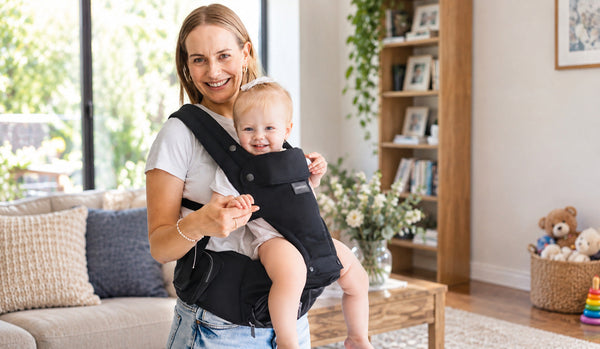
A baby sling is a piece of fabric usually worn over one shoulder or across the body that allows you to carry your baby close to your chest while keeping your hands free. Unlike structured baby carriers with buckles and frames, a sling is softer, more flexible, and often easier to put on and take off.
A newborn baby sling is specifically designed to support babies from birth, cradling them in a natural, womb-like position. Many parents love slings because they encourage skin-to-skin contact, which has been shown to support bonding, regulate a baby's temperature, and even improve sleep. For newborns especially, that closeness can make a world of difference.
Why Choose a Baby Sling?
There are plenty of reasons parents swear by baby slings, and most of them come back to one simple idea: babies love being held, and parents need their hands free.
A comfortable baby sling lets you soothe a fussy newborn while cooking dinner, going for a walk, or simply getting through a busy day. Beyond convenience, slings also offer real health benefits. Research suggests that babywearing can reduce crying, support healthy hip development, and promote breastfeeding. For premature babies or those with reflux, being held upright in a sling can be especially soothing.
There's also the emotional side. Carrying your baby close encourages a strong attachment bond something that benefits both parent and child in the long run. And compared to bulky strollers, a baby sling is lightweight, compact, and easy to travel with.
How to Choose the Right Baby Sling for Your Newborn
Not all slings are created equal, and what works for one family might not work for another. Here's what to think about before you buy.
Consider your baby's age and size. A baby sling for newborn use should provide full head and neck support, since newborns don't yet have the muscle strength to hold themselves up. Look for slings that specify newborn compatibility and include a head support panel or can be adjusted to cradle position.
Think about how you'll use it. Will you be wearing your sling for short trips around the house, or do you plan to babywear for hours at a time? If it's the latter, you'll want extra padding and back support. If you're mostly after convenience, a simpler ring sling might do the trick.
Check the fabric. Breathable, soft, and durable fabrics are non-negotiable. Cotton and linen blends are popular because they're gentle on a baby's skin and allow airflow important for keeping both you and your newborn cool during warmer months.
Look at adjustability. An adjustable baby sling can grow with your baby and accommodate different body types. This is especially useful if both parents plan to use the same sling, since fit varies significantly between wearers.
Key Features to Look for in a Baby Sling
When shopping for the best baby sling, keep an eye out for these essential features:
- Ergonomic design The sling should support your baby in an "M" position knees higher than the bottom , to promote healthy hip and spine development. Avoid any carrier that lets your baby's legs dangle straight down.
- Breathable fabric Look for materials like organic cotton, bamboo, or linen that allow air circulation. This prevents overheating, which is especially important for newborns.
- Easy adjustability A good adjustable baby sling should be simple to tighten or loosen wth one hand, even when your baby is already inside. Ring slings are great for this, as you can customize the fit in seconds.
- Sturdy stitching and safety certification Always check that the sling meets safety standards. Look for reinforced seams, non-toxic dyes, and certifications from recognized safety organizations.
- Newborn-specific support A quality baby carrier sling for newborns will include a built-in head support panel or a way to create a snug cradle position without extra accessories.
Our collection of baby slings is designed with all of these features in mind from super-soft breathable fabrics to ergonomic panels that support your baby from day one. Whether you're a first-time parent or adding to your babywearing collection, there's an option that's right for you.
Choosing the Best Fit
Even the best baby sling on the market won't feel comfortable if it doesn't fit properly. Here are a few simple tips to get the fit right:
For the parent: The sling should sit snugly against your body with no sagging fabric. Your baby's weight should rest evenly across your shoulder and back, not just at one point. If your lower back aches after a few minutes, the sling is likely sitting too low.
For the baby: Your newborn should be high enough that you can comfortably kiss the top of their head. Their chin should never drop to their chest always check that the airway is clear. Their back should be gently rounded (not arched), and both legs should be in that "M" position mentioned earlier.
Take your time. Most parents find that it takes a few tries to get the sling positioned perfectly. Practice at home with a spotter before heading out, and don't hesitate to consult a certified babywearing educator if you're unsure about the fit.
Common Mistakes to Avoid When Using a Baby Sling
Even experienced parents can fall into a few common traps when it comes to babywearing. Here's what to watch out for:
Wearing the sling too loose. A loose sling can cause your baby to slump, which puts pressure on their airway. Always check that the fabric is snug and that your baby's position hasn't shifted.
Not checking the airway. This is the most critical safety check. Your baby's face should always be visible, their chin should not rest on their chest, and nothing should cover their nose or mouth.
Using the wrong sling for the stage. A sling designed for a toddler won't give a newborn the support they need. Always make sure your newborn baby sling is age- and weight-appropriate.
Skipping the instruction manual. Every sling is slightly different. Even if you've used one before, always read the instructions for a new model to ensure you're using it correctly.
Wearing it for too long without a break. Especially in the early weeks, take regular breaks to stretch and check your baby's position. As both of you get used to babywearing, longer sessions become easier.
Conclusion
Choosing the right baby sling is one of the best investments you can make as a new parent. When it fits well and suits your lifestyle, a comfortable baby sling can transform those hectic early months soothing your newborn, supporting your bond, and giving you the freedom to move through your day with confidence.
Remember to prioritize ergonomic support, breathable fabric, and easy adjustability when making your choice. And always put safety first by checking your baby's position every time you wear them.
Ready to find your perfect match? Explore our range of baby carrier slings thoughtfully designed for newborns and growing babies alike. From ring slings to wrap-style carriers, there's a best baby sling waiting to become your new favourite parenting essential.